Discover Auto Repair for Routine Maintenance
Key Tips for Selecting a Trustworthy Auto Repair Shop
Selecting a dependable vehicle repair facility is essential for the safety and upkeep of your vehicle. Multiple considerations shape this important decision, from technician credentials to customer feedback. Familiarizing visit resource yourself with warranty conditions can help avoid problems down the road. Clear dialogue with your technician also contributes greatly to ensuring quality service. Every factor contributes to the complete experience. How should one approach this significant selection process? The following insights will clarify the path to finding a trustworthy repair shop.
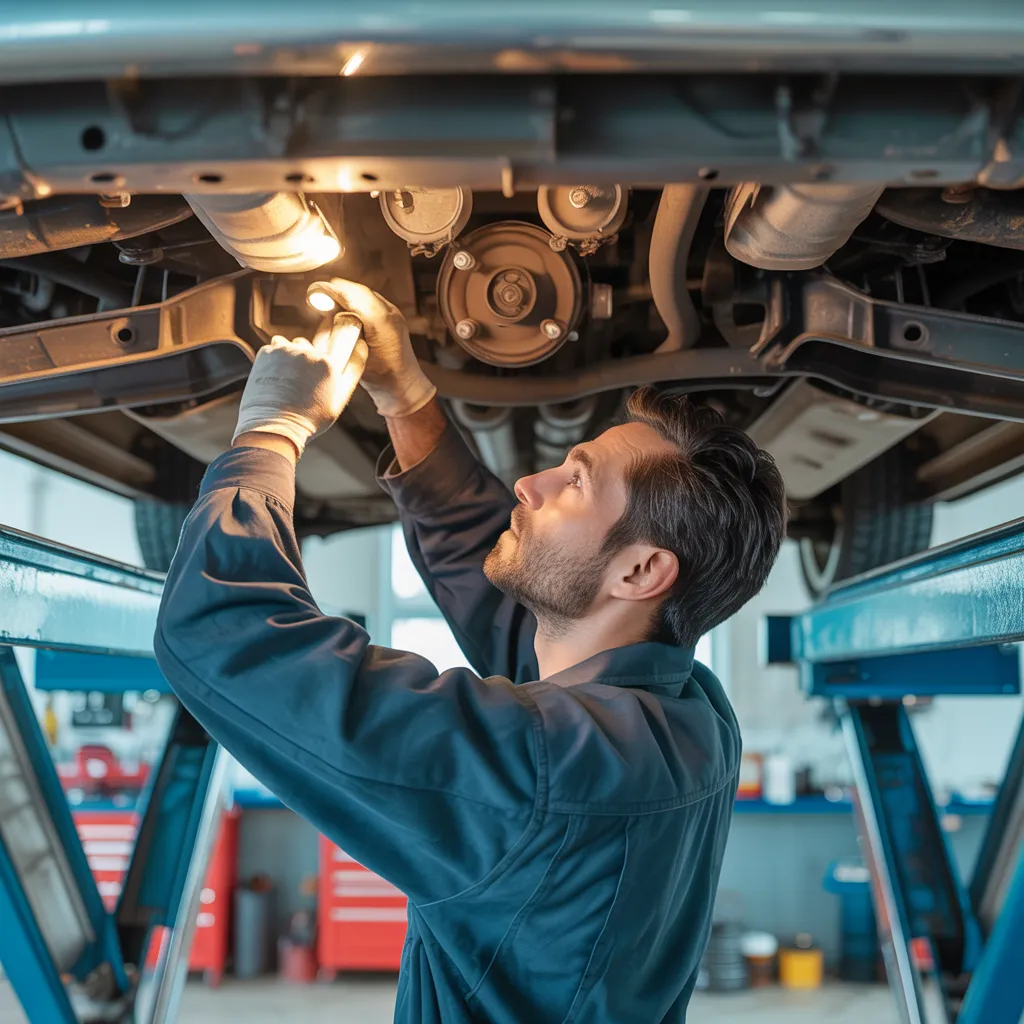
Why Picking the Right Auto Repair Shop Makes a Difference
Choosing the best auto repair shop is crucial, as it can significantly impact both vehicle performance and owner peace of mind. A reputable shop assures that repairs are completed correctly, improving the longevity and efficiency of the vehicle. Owners who opt for a trustworthy establishment often experience fewer breakdowns and lower repair costs over time, as quality work minimizes the need for repeat visits.
Moreover, a reputable auto repair shop cultivates a sense of security among vehicle owners. Car owners are better positioned to feel at ease in their commitment, knowing that experienced technicians are servicing their cars. This reassurance can lead to more consistent maintenance practices, ultimately resulting in greater vehicle safety. Furthermore, establishing a relationship with a trustworthy shop can streamline the repair process, providing easy access to skilled recommendations and efficient service. In sum, making an well-considered choice in auto repair can greatly affect both the car's functionality and the owner's overall satisfaction.
Review Certifications and Qualifications
When seeking an auto repair shop, it is essential to examine the certifications and qualifications of the technicians. Certified technicians often possess specialized knowledge and have demonstrated their expertise through assessments. Widely recognized certifications include those from the National Institute for Automotive Service Excellence (ASE), which indicates a high level of expertise and competence. Additionally, associations with reputable organizations, such as the Automotive Service Association (ASA), can additionally confirm a shop's dedication to quality service.
A properly certified technician is more capable of accurately identify problems and perform necessary repairs efficiently, ultimately leading to enhanced service outcomes and increased customer satisfaction. Verifying brand-specific credentials can also ensure that technicians are trained on cutting-edge techniques and updated repair procedures for individual car brands. By prioritizing certifications and qualifications, vehicle owners can increase their likelihood of securing trustworthy and efficient automotive repair services.
Read Customer Reviews for Your Auto Repair Shop
How can customer reviews influence the choice of an auto repair shop? Customer reviews function as meaningful reflections of prior customers' encounters, giving potential customers a preview of the quality of work delivered. Future clients can evaluate factors like reliability, professionalism, and pricing by reading these testimonials. Glowing reviews commonly point to a dependable and trustworthy shop, whereas critical feedback may reveal possible concerns.
Moreover, evaluations can expose patterns in service, including predictable wait times or the quality of repair work. Internet platforms and social media channels boost these viewpoints, simplifying the process of collecting varied feedback. When considering an automotive service center, individuals should consider the total rating in addition to detailed feedback relating to service performance and customer experience. These insights can steer them toward a service center that aligns with their needs and goals, thus delivering a more gratifying auto service experience.
Comprehending Warranty and Guarantee Policies
Recognizing warranty and guarantee policies is essential when selecting an auto repair shop. These policies outline what repairs are covered and the parameters under which they apply. Understanding the specifics can help consumers make informed decisions and provide peace of mind about their vehicle repairs.
Warranty Coverage Details
Overseeing warranty coverage details can significantly affect the general satisfaction with an auto repair shop. A solid understanding of what is included under warranty can eliminate misunderstandings and frustrations. Auto repair shops frequently offer warranties on parts and workmanship, but the details can vary significantly. Customers should inquire about the warranty period, the categories of repairs or parts covered, and any exceptions that might apply. Additionally, it is essential to understand whether the warranty is valid nationwide or confined to the individual shop. Diligently reviewing these details before agreeing to services assures that customers are covered against possible defects or problems. This informed approach promotes trust and elevates the overall repair experience.
Guarantee Conditions Outlined
What should customers be aware of regarding guarantee terms when picking an auto repair shop? It is essential to understand the difference between warranties and guarantees. A warranty generally applies to specific repairs or components for a set period of time, ensuring that if issues arise, the shop will address them at no extra cost. By comparison, a guarantee frequently represents the shop's pledge to superior craftsmanship, offering satisfaction or reimbursement if the work does not meet expectations. Clients should ask about the timeframe, coverage details, and restrictions of these policies. Additionally, they should read the fine print to avoid misunderstandings. By gaining clarity on these terms, customers can make educated decisions and opt for a repair shop that takes pride in its work.
How to Communicate Effectively With Your Mechanic
How can one guarantee that discussions with an auto technician remain clear and productive? First, it is essential to provide a detailed description of the vehicle's symptoms. In place of general or imprecise remarks, it is important to highlight specific concerns, like strange sounds or illuminated dashboard indicators. This helps the mechanic pinpoint the problem more effectively.
Additionally, asking questions is important. Asking about the repair process, required parts, and anticipated timelines promotes a better understanding. Active listening is also critically important; one should pay attention to the mechanic's explanations and ask for clarification if anything is unclear.
Additionally, it is advantageous to build a relationship with the auto professional. Building trust can result in enhanced service and greater personalized attention for the automobile. To conclude, retaining written notes of earlier repairs and service work can improve communication by supplying context for existing issues. Effective communication ultimately leads to a more fulfilling automotive experience.
Compare Quotes and Pricing
A comprehensive review of rates and quotes can highlight considerable discrepancies between auto repair shops. When obtaining auto repairs, consumers should collect bids from multiple shops to gauge the market rate for needed services. This method not only gives visibility into potential costs but also demonstrates differences in service quality.
It is important to evaluate what each estimate includes. Certain shops may provide lower quotes but compromise on parts quality or labor guarantees, while others might charge higher rates for premium service and components. Additionally, being aware of how costs are broken down—parts, labor, and any possible additional charges—enables buyers to arrive at a more informed conclusion.
Besides the price, customer service and reputation are equally important factors. An establishment with modestly higher rates may supply superior reliability and a more trustworthy service. When all is said and done, striking a balance between price, quality, and service reputation secures a more successful outcome for car repairs.
Common Questions and Answers
How Can I Determine if a Shop Is Reliable?
A trustworthy shop often presents credentials, offers clear costs, and has positive customer testimonials. Additionally, a inviting environment with skilled personnel can indicate trustworthiness, while open communication and guarantees further strengthen credibility in their offerings.
What Can I Do if I'm Not Satisfied With Repairs?
When unhappy with the quality of repairs, the customer should begin by raising their concerns with the repair shop. If unresolved, seeking a second opinion or contacting consumer protection services may be essential to effectively address the concern.
Are There Particular Warning Signs to Look Out For?
Key red flags to be aware of consist of absence of proper certifications, unclear pricing estimates, unresolved workmanship, negative client feedback, a lack of professionalism, and unwillingness to offer thorough explanations. These factors commonly suggest concerns regarding the repair facility's dependability.
How Regularly Should I Get My Car Serviced?
Automobiles should typically be maintained every 5,000 to 7,500 miles or every 6 months, whichever comes first. Regular maintenance ensures optimal performance, vehicle safety, and longevity, reducing the risk of major repairs and enhancing your day-to-day driving experience.
Can I Request to See Old Parts After Repairs?
Certainly, vehicle owners can request to see old parts after the repair process. Most reputable shops accommodate such requests, as openness fosters confidence. Being aware of the condition of removed components can provide reassurance about the standard of work completed.